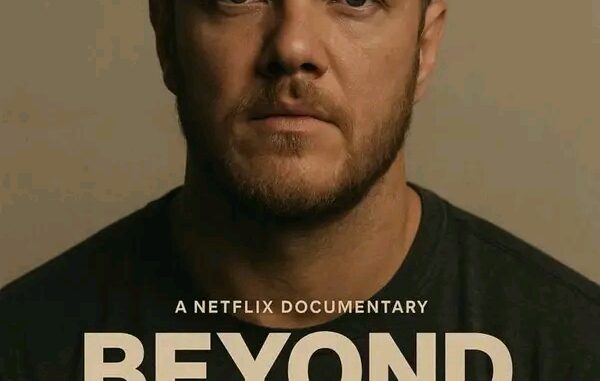
What is “Beyond Belief” — and what does the film claim to show?
According to recent announcements, Beyond Belief is a new original documentary from Netflix, described as a “raw and emotional” deep dive into Dan Reynolds’ life, his struggles, passions, and musical journey.
• A personal revelation
The documentary is presented not as a standard “greatest-hits + concert footage” retrospective, but as a candid, unflinching look “behind the music” — illuminating who Dan Reynolds is off-stage. From his childhood roots to his rise to global fame, Beyond Belief traces key milestones, while also spotlighting vulnerability: mental-health battles, identity struggles, and the emotional toll that fame and creative pressure can bring.
• Mental health, identity, and inner battles
A central theme in the documentary appears to be Reynolds’ own admission of inner turmoil: anxiety, depression, and the burden of expectation. The film reportedly shows how these personal demons — though hidden from public view — have shaped his life and art.
This is particularly poignant given Reynolds’ history: as frontman of Imagine Dragons, a band whose songs often channel themes of struggle, hope, redemption and resilience. The documentary seems to draw direct lines between the man’s personal reality and the emotional weight behind those songs.
• Activism, purpose beyond fame
Beyond Belief also highlights how Reynolds has used his platform to advocate for meaningful causes — notably mental-health awareness, self-acceptance, and LGBTQ+ inclusivity. The film reportedly includes his work to raise awareness and support marginalized communities, underscoring a side of him that many fans may have suspected — but never fully seen.
• Music, creative process, and artistic evolution
Yet the documentary does not sideline the music. It purportedly offers behind-the-scenes footage of songwriting, studio sessions, and performances — showing how personal pain, growth, and introspection feed into art. Signature songs (and perhaps unreleased material) are framed not merely as hits, but as expressions of real experiences, inner battles, and the search for meaning.
• Cinematic storytelling and honest tone
From what’s been shared, the visual and narrative treatment of Beyond Belief balances spectacle and intimacy. Concert energy, stadium lights, roaring crowds are contrasted with quiet, vulnerable moments: solitary scenes, confessional monologues, and reflective interviews. According to critics, that tonal balance — between “fire of the stage” and “fragility of the person behind it” — is what gives the film its emotional power.
As one review put it, Beyond Belief “doesn’t just tell a story — it invites you to feel it.”
—
🌍 Why this documentary matters — beyond just fans of Imagine Dragons
1. Humanizing fame
In an era where “celebrity” is often curated, polished, and packaged, a documentary that reveals the cracks behind the façade is rare and important. Beyond Belief offers a candid account of what it means to live under global spotlight — the mental pressures, identity friction, and the loneliness that fame can amplify. By doing so, it challenges overly simplistic narratives around success and happiness, showing that public acclaim doesn’t shield anyone from inner struggle.
This matters not only for fans of Imagine Dragons, but for anyone trying to reconcile the idea of success with emotional authenticity. It can foster empathy and remind viewers that behind the music — or behind any public persona — there are human stories, often messy, often painful, but also full of resilience.
2. Mental-health conversations & destigmatization
Dan Reynolds has been vocal in the past about issues around mental health, spirituality and identity — but a widely accessible documentary like Beyond Belief has the potential to amplify that message. By openly showing his struggles, doubts, breakdowns, and healing process, the film can contribute to destigmatizing anxiety, depression, and identity crisis — especially among younger audiences and fans who look up to him.
Given the frequent glamorization of rock stardom, this kind of vulnerability is not only refreshing — it can be powerful, even transformative, for viewers grappling with similar issues.
3. Merging art and activism
The documentary reportedly doesn’t shy away from Reynolds’ activism: his support for marginalized communities (including LGBTQ+ youth), mental-health advocacy, and efforts to use music and celebrity as tools for social change.
By doing so, Beyond Belief rejects the idea of art as isolated entertainment; it portrays music as a medium of healing, connection, and societal reflection. For many, that transforms it from idol worship to genuine human inspiration.
4. Authentic creative storytelling in music documentaries
Music documentaries have a long tradition — from concert films to biopics to “making of” features. But often, they remain surface-level: flashy visuals, hit songs, nostalgic flashbacks. Beyond Belief seems intent on going deeper — peeling back layers to show not only success, but its cost, and how personal pain and vulnerability fuel creation.
This approach elevates the documentary form itself: it becomes more than a marketing tool or tribute; it becomes social commentary, mental-health narrative, and honest human portrait.
5. Resonance beyond fanbase — reaching universal themes
Even if someone is not a fan of Imagine Dragons, Beyond Belief’s themes — identity, struggle, vulnerability, healing, purpose — are universal. It’s easy to imagine that the documentary could touch people from many backgrounds: those dealing with mental health, those navigating fame (or visibility), or those seeking authenticity in a world that prizes perfection.
In that sense, it could be more than a rock-documentary: it could be a cultural moment, a mirror for anyone who has ever felt torn between external success and internal conflict.
—
🧱 Some critical notes — what to watch out for and what remains to be seen
While early reactions to Beyond Belief are glowing, there are reasons to approach with cautious curiosity.
• Reality vs. narrative framing
Any documentary necessarily involves editing, selecting which scenes to show, shaping a narrative arc. There’s always a risk that the “raw vulnerability,” the “emotional brokenness,” or dramatic tension might be exaggerated or framed in a way to maximize emotional impact.
Thus, even though the film offers a personal journey, it remains a mediated one — one shaped by directors, editors, and producers. As viewers, it’s worth remembering that.
• Privacy and personal boundaries
By exposing struggles with mental health, identity, and personal relationships, the film treads sensitive territory. While admirable, it raises questions: to what extent is all of this “fair game” for public consumption? Does exposing intimate pain risk exploitation? Viewers should be aware of the ethical weight around vulnerability and personal storytelling.
• Intersection with activism — complexity of topics
Given Reynolds’ involvement with mental-health advocacy, LGBTQ+ support (via previous initiatives mentioned elsewhere), and personal faith/spiritual background, the film may touch on complex, sensitive issues: religion, identity, social justice, personal trauma. These themes resist easy resolution. The documentary may open conversations — but won’t necessarily provide answers.
• Expectations vs. reality
For some fans — or casual viewers — a “documentary about Dan Reynolds” may raise expectations of definitive truth: closure on past controversies, full explanation of band dynamics, or a neatly resolved “from pain to triumph” story. Real life rarely conforms to that arc. The film may leave many threads unresolved — emotionally and narratively.
Indeed, early write-ups suggest the ending doesn’t offer neat closure; instead, it leaves viewers with lingering questions about belief, identity, healing and purpose.
—
🎯 What “Beyond Belief” might change — for fans, artists, and viewers
If it lives up to the promise, Beyond Belief could have several lasting impacts:
It could deepen fans’ appreciation for the songs of Imagine Dragons — not just as entertainment, but as expressions of real pain, hope, healing, identity, and resilience. The lyrics and melodies might carry more weight once you know the personal history behind them.
It might inspire other artists to be more open — to use their platforms not only for spectacle, but for honest storytelling, mental-health awareness, activism, and connection.
It could contribute to destigmatization of mental-health struggles, especially among younger viewers who look up to rock stars as icons.
It might encourage viewers to examine their own internal battles, to realize that vulnerability and struggle are shared human experiences — and that healing, while hard, can come through honesty, art, community, and self-reflection.
More broadly, it could push the cultural conversation about the cost of fame, the pressures on public figures, and the importance of empathy — shifting the narrative from “celebrity as perfection” to “celebrity as human.”
—
📝 What we don’t or can’t yet know — open questions before (or even after) watching
Because much of what’s being discussed about Beyond Belief comes from pre-release promotional materials, media write-ups, and early reviews, there remain several open questions:
How deep will the vulnerability go? Will Reynolds fully explore trauma, doubts, failures — or will some topics remain off screen (band relationships, faith/spiritual struggles, personal relationships)?
Will the film address or reconcile his faith/spiritual background? Given that prior documentaries about Reynolds engaged with his relationship to faith (and even LGBTQ+ advocacy vs. religious upbringing), viewers might wonder if Beyond Belief will touch those complex intersections.
What is the balance between performance footage and personal narrative? Will the documentary lean more toward a concert-film vibe, or toward a confessional, introspective portrait?
Is there any potential for idealization or “redemption arc” editing? Documentaries often use narrative arcs — from struggle, to conflict, to healing. Will Beyond Belief reflect the messiness of real life, or reshape it into a neat story of triumph/resolution?
How will audiences react — especially outside the fan base? Will the film be embraced only by fans of Imagine Dragons — or will it resonate broadly, with people who may not know (or like) the band, but connect with the human story?
These questions matter because they determine whether the documentary becomes a powerful, honest piece of art — or just another celebrity-drama packaged for clicks.
—
💡 My take: Why “Beyond Belief” feels especially relevant now
In 2025, the world is arguably more connected but also more isolated than ever. Social media, fame, streaming — they magnify both external visibility and internal loneliness. The pressure to perform, to stay “on,” to present perfection — it’s real not just for celebrities but for many people living public (or semi-public) lives.
In that context, Beyond Belief’s promise of vulnerability, honesty, and raw human struggle feels almost radical. A rock-star documentary that doesn’t glamorize — but humanizes. That doesn’t just celebrate hits — but shows the scars behind them. That invites empathy and perhaps healing.
If done with integrity, this film could be more than a documentary: a mirror in which anyone who has ever felt insecure, exhausted, conflicted — can see themselves.
—
If you like, I can outline 5–10 discussion questions that viewers might wrestle with after watching Beyond Belief (mental health, fame, identity, activism, artistry, etc.).
That can be useful if you — or someone you show the film to — want to go beyond watching, and use it as a conversation starter.
Do you want me to build that outline for you now?
Leave a Reply