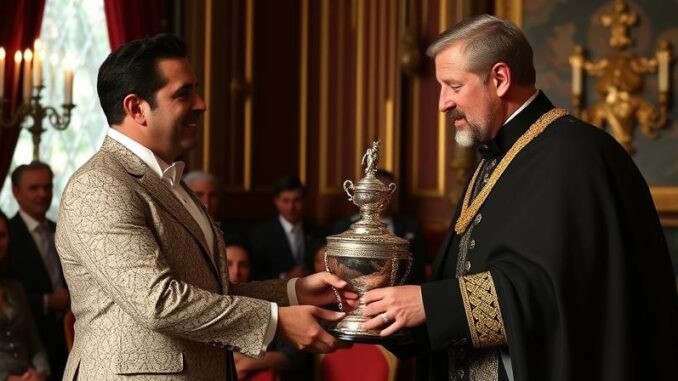
Mitchell Moses Officially Honoured King Charles lll with a new Statue after making a shocking Announcement…Mɪᴛᴄʜᴇʟʟ Mᴏsᴇs Oғғɪᴄɪᴀʟʟʏ Hᴏɴᴏᴜʀᴇᴅ Kɪɴɢ Cʜᴀʀʟᴇs ʟʟʟ ᴡɪᴛʜ ᴀ ɴᴇᴡ Sᴛᴀᴛᴜᴇ ᴀғᴛᴇʀ ᴍᴀᴋɪɴɢ ᴀ sʜᴏᴄᴋɪɴɢ Aɴɴᴏᴜɴᴄᴇᴍᴇɴᴛ…
Honoured King Charles III: A Reflection of Dedication and Legacy
The accession of King Charles III marks a significant chapter in the history of the British monarchy. As the eldest son of Queen Elizabeth II, Charles’ journey to the throne was anticipated for decades, and his coronation symbolizes not only the continuity of tradition but also the evolution of the monarchy in a modern world. The article titled **”Honoured King Charles III”** explores the multifaceted aspects of his reign, his contributions, and the ways in which he has been honored by his nation and the world.
#### The Path to the Throne
King Charles III’s path to kingship was marked by anticipation and dedication. Born in 1948, he was the heir apparent for more than six decades, witnessing significant historical events and societal changes. His upbringing was marked by an early sense of duty, involvement in charitable activities, and a deep engagement with issues ranging from environmental conservation to social justice.
Throughout his life, Charles was known for his advocacy on climate change, organic farming, and sustainable development. These initiatives often set him apart from traditional monarchs, positioning him as a forward-thinking leader committed to addressing contemporary challenges. His long wait for the throne earned him a reputation for patience and perseverance, qualities that were further emphasized during his tenure as Prince of Wales.
#### The Coronation and Public Honors
The article emphasizes the grandeur and solemnity of King Charles III’s coronation, which was attended by dignitaries from around the world. The ceremony reflected centuries-old traditions while also incorporating modern elements to resonate with a diverse and evolving society. The use of symbolism, music, and ritual underscored the monarchy’s enduring relevance.
King Charles III was publicly honored through numerous accolades and acknowledgments. The British government and Commonwealth nations celebrated his ascension with official ceremonies, medals, and public events. These honors signified a recognition of his lifetime of service and his commitment to the values of duty, service, and leadership.
#### Contributions to Society and Environment
One of the central themes of the article is King Charles III’s dedication to environmental causes. Long before climate change became a global priority, Charles was an outspoken advocate for sustainability. His efforts included promoting organic farming practices, conservation projects, and raising awareness about ecological issues.
His philanthropic work extended through numerous charities and organizations dedicated to environmental conservation, education, and social welfare. The article highlights how his initiatives have had tangible impacts, inspiring a new generation of environmental activists and policymakers.
Moreover, King Charles III’s advocacy extended to cultural and social issues. He championed interfaith dialogue, education reform, and the promotion of arts and culture. His efforts aimed to foster unity and understanding in a world characterized by division and polarization.
#### Challenges and Criticisms
While the article paints a largely respectful portrait of King Charles III, it also acknowledges the challenges and criticisms he faced. Throughout his life, Charles was a figure of public scrutiny, with some questioning his outspoken views on political and social issues. His involvement in controversial projects, statements, or associations occasionally drew criticism from opponents and skeptics.
Additionally, the monarchy itself faces ongoing debates about its role in modern governance and society. King Charles III’s reign is expected to navigate these complex issues, balancing tradition with progress. The article suggests that his leadership style reflects a desire to modernize the monarchy while respecting its historical roots.
#### Honoring the Legacy
The article concludes by reflecting on the importance of honoring King Charles III’s legacy. His dedication to service, environmental activism, and cultural promotion positions him as a monarch who seeks to adapt and thrive in contemporary times. The honors bestowed upon him—whether through official titles, awards, or public recognition—serve as symbols of appreciation for his lifetime of efforts.
In addition, the article emphasizes that honoring a monarch is not solely about ceremonies and titles but also about recognizing the values and principles they embody. King Charles III’s commitment to sustainability, social justice, and unity resonates deeply with many citizens and global leaders alike.
#### Looking Forward: The Future of the Monarchy
As King Charles III begins his reign, the article explores potential directions for the monarchy under his leadership. His focus on environmental issues and social cohesion suggests that the institution may evolve to become more inclusive and responsive to modern concerns. The monarchy’s ability to adapt while maintaining its core traditions will be crucial for its continued relevance.
Public opinion plays a vital role in shaping the future of the monarchy. The article discusses how King Charles III’s approach to transparency and engagement may influence perceptions and support. His efforts to connect with younger generations and marginalized communities could help sustain the monarchy’s relevance in the years to come.
#### Conclusion: A Monarch Honored and Honorable
In summary, the article **”Honoured King Charles III”** offers a comprehensive view of a monarch who has dedicated his life to service and advocacy. His journey to the throne, marked by perseverance and commitment, has culminated in a reign that promises to blend tradition with innovation. The honors bestowed upon him are a testament to his impact on society, the environment, and the cultural fabric of his nation.
King Charles III’s tenure signifies a period of potential growth and renewal for the monarchy. As he continues to lead with compassion, wisdom, and a sense of duty, he exemplifies the qualities of a leader truly worthy of honor. His legacy will undoubtedly shape the future of the British monarchy and inspire generations to come.The accession of King Charles III marks a significant chapter in the history of the British monarchy. As the eldest son of Queen Elizabeth II, Charles’ journey to the throne was anticipated for decades, and his coronation symbolizes not only the continuity of tradition but also the evolution of the monarchy in a modern world. The article titled **”Honoured King Charles III”** explores the multifaceted aspects of his reign, his contributions, and the ways in which he has been honored by his nation and the world.
#### The Path to the Throne
King Charles III’s path to kingship was marked by anticipation and dedication. Born in 1948, he was the heir apparent for more than six decades, witnessing significant historical events and societal changes. His upbringing was marked by an early sense of duty, involvement in charitable activities, and a deep engagement with issues ranging from environmental conservation to social justice.
Throughout his life, Charles was known for his advocacy on climate change, organic farming, and sustainable development. These initiatives often set him apart from traditional monarchs, positioning him as a forward-thinking leader committed to addressing contemporary challenges. His long wait for the throne earned him a reputation for patience and perseverance, qualities that were further emphasized during his tenure as Prince of Wales.
#### The Coronation and Public Honors
The article emphasizes the grandeur and solemnity of King Charles III’s coronation, which was attended by dignitaries from around the world. The ceremony reflected centuries-old traditions while also incorporating modern elements to resonate with a diverse and evolving society. The use of symbolism, music, and ritual underscored the monarchy’s enduring relevance.
King Charles III was publicly honored through numerous accolades and acknowledgments. The British government and Commonwealth nations celebrated his ascension with official ceremonies, medals, and public events. These honors signified a recognition of his lifetime of service and his commitment to the values of duty, service, and leadership.
#### Contributions to Society and Environment
One of the central themes of the article is King Charles III’s dedication to environmental causes. Long before climate change became a global priority, Charles was an outspoken advocate for sustainability. His efforts included promoting organic farming practices, conservation projects, and raising awareness about ecological issues.
His philanthropic work extended through numerous charities and organizations dedicated to environmental conservation, education, and social welfare. The article highlights how his initiatives have had tangible impacts, inspiring a new generation of environmental activists and policymakers.
Moreover, King Charles III’s advocacy extended to cultural and social issues. He championed interfaith dialogue, education reform, and the promotion of arts and culture. His efforts aimed to foster unity and understanding in a world characterized by division and polarization.
#### Challenges and Criticisms
While the article paints a largely respectful portrait of King Charles III, it also acknowledges the challenges and criticisms he faced. Throughout his life, Charles was a figure of public scrutiny, with some questioning his outspoken views on political and social issues. His involvement in controversial projects, statements, or associations occasionally drew criticism from opponents and skeptics.
Additionally, the monarchy itself faces ongoing debates about its role in modern governance and society. King Charles III’s reign is expected to navigate these complex issues, balancing tradition with progress. The article suggests that his leadership style reflects a desire to modernize the monarchy while respecting its historical roots.
#### Honoring the Legacy
The article concludes by reflecting on the importance of honoring King Charles III’s legacy. His dedication to service, environmental activism, and cultural promotion positions him as a monarch who seeks to adapt and thrive in contemporary times. The honors bestowed upon him—whether through official titles, awards, or public recognition—serve as symbols of appreciation for his lifetime of efforts.
In addition, the article emphasizes that honoring a monarch is not solely about ceremonies and titles but also about recognizing the values and principles they embody. King Charles III’s commitment to sustainability, social justice, and unity resonates deeply with many citizens and global leaders alike.
#### Looking Forward: The Future of the Monarchy
As King Charles III begins his reign, the article explores potential directions for the monarchy under his leadership. His focus on environmental issues and social cohesion suggests that the institution may evolve to become more inclusive and responsive to modern concerns. The monarchy’s ability to adapt while maintaining its core traditions will be crucial for its continued relevance.
Public opinion plays a vital role in shaping the future of the monarchy. The article discusses how King Charles III’s approach to transparency and engagement may influence perceptions and support. His efforts to connect with younger generations and marginalized communities could help sustain the monarchy’s relevance in the years to come.
#### Conclusion: A Monarch Honored and Honorable
In summary, the article **”Honoured King Charles III”** offers a comprehensive view of a monarch who has dedicated his life to service and advocacy. His journey to the throne, marked by perseverance and commitment, has culminated in a reign that promises to blend tradition with innovation. The honors bestowed upon him are a testament to his impact on society, the environment, and the cultural fabric of his nation.
King Charles III’s tenure signifies a period of potential growth and renewal for the monarchy. As he continues to lead with compassion, wisdom, and a sense of duty, he exemplifies the qualities of a leader truly worthy of honor. His legacy will undoubtedly shape the future of the British monarchy and inspire generations to come.
Leave a Reply